Europe has a habit of repeating itself. Paris, Rome, Barcelona, Amsterdam. Incredible cities, no question, but also familiar ones. You know what the photos will look like before you even go. You know where the queues form, what time the streets fill, and how busy it will be by mid-morning.
Yet step just slightly away from the obvious routes and Europe changes character. It quietens down. Conversations linger longer in cafés. Locals don’t rush. Meals stretch into evenings rather than being squeezed between sightseeing stops. These are the places that still feel lived-in, not performed for visitors.
Here are some of Europe’s quieter gems, the sort of destinations you don’t stumble across by accident, but remember for a long time once you do.
Kotor, Montenegro
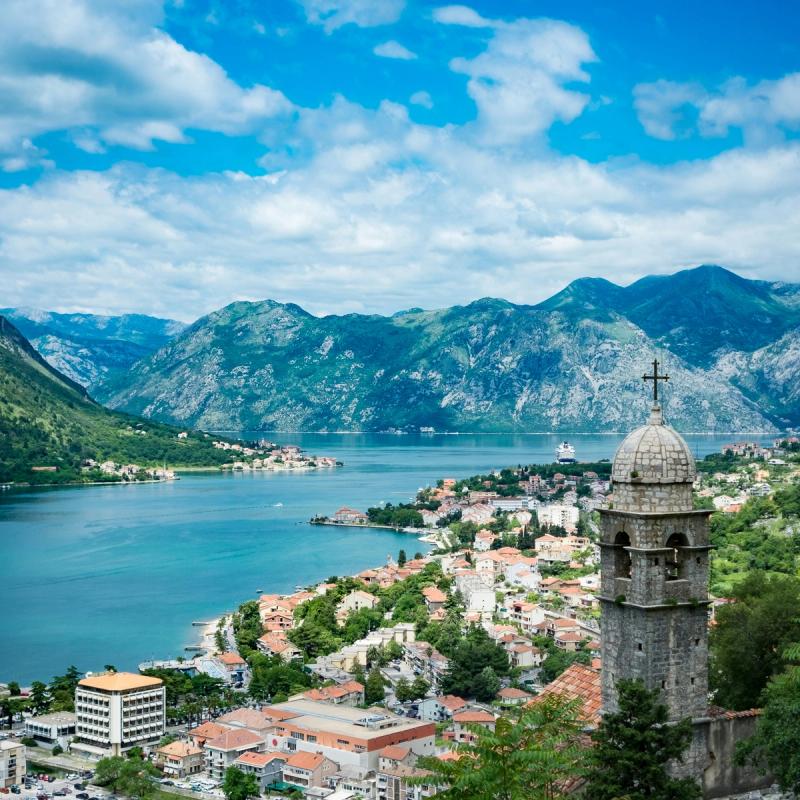
Kotor feels like somewhere that accidentally escaped mass tourism. Tucked deep inside a dramatic bay and surrounded by steep limestone mountains, the old town is compact, medieval and wonderfully self-contained. Cobblestone streets twist in all directions and the city walls climb high above the harbour like something from a fantasy novel.
Most visitors arrive on day trips, which means early mornings and evenings belong to residents and those staying overnight. That’s when Kotor is at its best. You can wander without bumping into anyone, hear church bells echo across the bay and watch the light change over the water as cafés slowly open for the day.
If you have the energy, the climb up to the fortress is demanding but worthwhile. From the top, the view over the bay feels almost unreal.
Lecce, Italy
Southern Italy doesn’t shout for attention, and Lecce is no exception. From the outside it seems understated, but walk into the centre and the city reveals one of the most distinctive architectural styles in the country.
Everything here is built from warm, honey-coloured stone, carved into elaborate Baroque facades that glow at sunset. Unlike Florence or Venice, the beauty of Lecce feels relaxed and unpressured. You’re not following a route from attraction to attraction. You’re simply wandering.
Food is where Lecce really shines. Local dishes are rich but unfussy, focused on fresh vegetables, handmade pasta and proper olive oil. Even casual meals tend to linger, often accompanied by a glass of local wine and no hurry to move on.
Ghent, Belgium
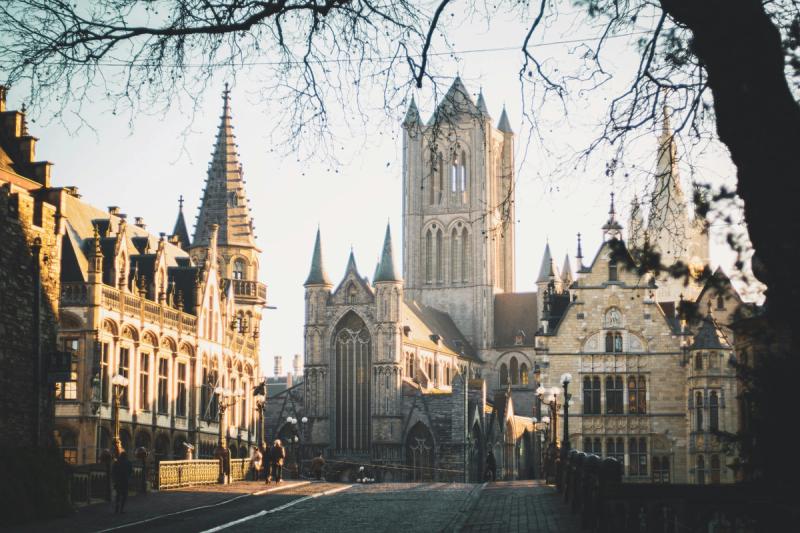
Ghent has all the hallmarks of a classic Flemish city: canals, medieval guild halls, stepped gables and an impressive cathedral. What it does not have, surprisingly, is the overwhelming crowd scene of nearby Bruges.
This makes a huge difference to the atmosphere. Ghent is lively without being chaotic. The population includes a large student community, which keeps things energetic but grounded. Bars feel local, not staged. Restaurants serve residents first and visitors second.
The Belgium city is also one of Europe’s easiest to explore on foot or by bike. Every turn seems to reveal another square, another quiet street, another unexpected view across the water.
Mostar, Bosnia and Herzegovina
Mostar is a place that stays with you. Its famous stone bridge arches gracefully across the river, connecting two sides of the city that were once divided by conflict. Today, it stands as a symbol not just of recovery but of everyday life continuing quietly beneath it.
The old town is small but atmospheric, filled with wooden shopfronts, mosques and cafés where you can sit for hours watching life unfold. The surrounding countryside adds to the experience. Rolling hills, vineyards and rivers make it easy to escape the city and see more of the region.
Travelling here feels different to visiting more established destinations. It’s slower, more thoughtful and often more rewarding.
Colmar, France
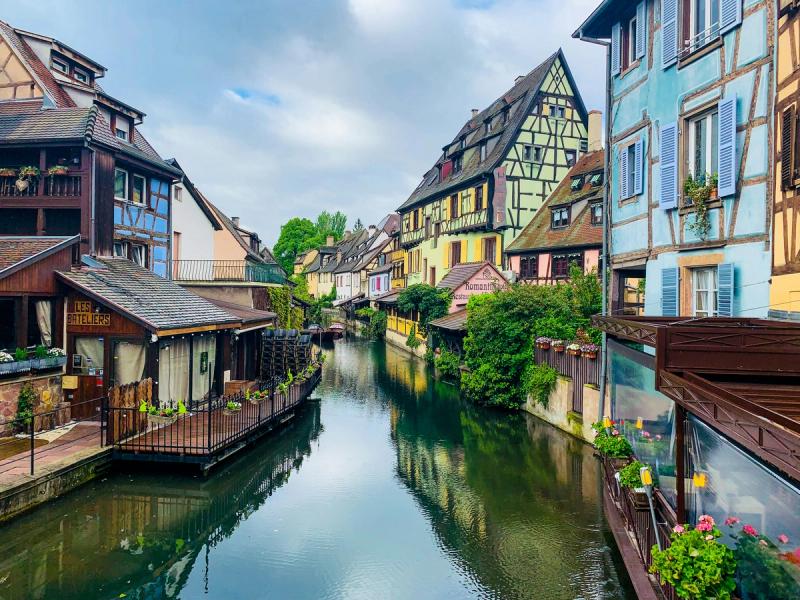
Colmar looks almost too perfect to be real. Colourful half-timbered houses line narrow canals, flower boxes spill over balconies and everything seems carefully arranged. Yet unlike some fairytale towns, Colmar remains surprisingly calm outside peak summer weekends.
The town sits in Alsace wine country, making it an ideal base for exploring vineyards and small villages nearby. Evenings are particularly charming, when day-trippers leave and the streets return to a gentle buzz.
Colmar, France, is not about ticking sights off a list. It’s about lingering over dinner, strolling along the canals after dark and enjoying the feeling of being somewhere quietly beautiful.
Plovdiv, Bulgaria
Plovdiv doesn’t receive the attention it deserves, despite being one of Europe’s oldest continuously inhabited cities. Layers of history sit almost casually side by side here. Roman ruins rest beneath modern streets, old houses overlook amphitheatres still used for performances.
The old town is a maze of colourful buildings, many perched on hills that offer wide views over the city below. It feels authentic, lived-in and refreshingly free of tourists.
Prices are reasonable, food is hearty and people are unfailingly warm. For travellers looking to experience Europe beyond its usual narrative, Plovdiv is a rewarding place to start.
Why These Places Matter
What unites these destinations isn’t just beauty or history. It’s balance. Tourism exists, but it hasn’t overwhelmed daily life. Locals still use the cafés, streets and markets for themselves. You’re not stepping into a theme park version of Europe, but into places that continue to breathe.
Travelling to Europe’s hidden gems doesn’t mean avoiding famous cities forever. It simply means mixing the well-known with the overlooked. Often, it’s the quieter places that end up defining a trip, not the ones you expected to love beforehand.
Sometimes all it takes is choosing the slightly less obvious flight, train or route and letting Europe surprise you again.
Why not be inspired on your next adventure and choose from one of our popular routes? Leave the beaten track and visit somewhere new this year.