For many people, stepping onto an aeroplane signals the start of a long-awaited holiday or an exciting trip away. For nervous fliers, however, the mere thought of the boarding gate can bring on a cold sweat, a racing heart, and intense anxiety.
If aerophobia (the fear of flying) leaves you dreading your journeys, you are far from alone. Around one in ten adults in the UK experience some degree of flying anxiety. The good news is that it is entirely manageable. With the right psychological techniques, technical understanding, and practical support, you can retrain your mind to feel safe in the air and start looking forward to booking your next adventure through Timms Travel.
1. Enroll in a Dedicated Fear of Flying Course
One of the most effective ways to tackle flight anxiety head-on is by booking a structured course. Several major British airlines run renowned programmes designed specifically to help nervous fliers rewrite their relationship with aviation.
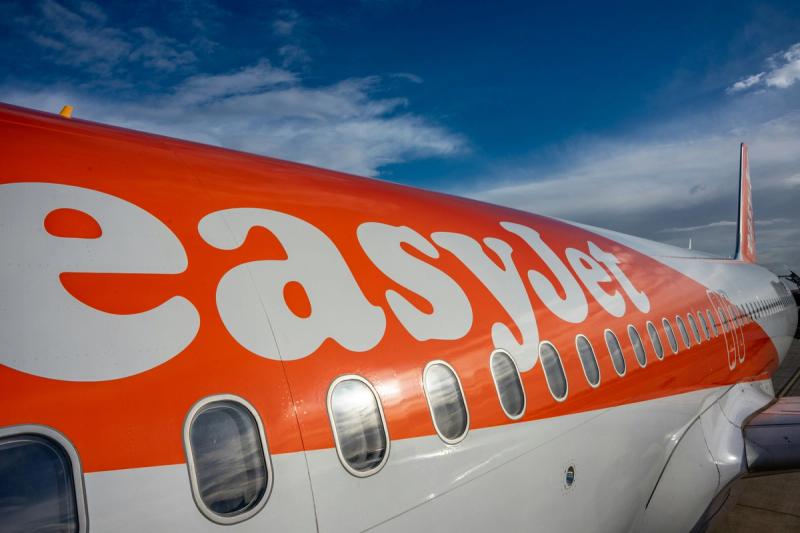
- easyJet’s Fearless Fly Course: Consistently rated as one of the best in the UK, easyJet’s course is split into two main parts. First, you attend an interactive ground seminar (or online module) co-hosted by a commercial pilot and an anxiety specialist. The pilot explains the mechanics of flying, weather patterns, and what every sound in the cabin actually means, while the psychologist provides mental strategies to manage panic. The course culminates in a short, dedicated experience flight alongside the course team, allowing you to put your new techniques into practice in a supportive environment.
- British Airways’ Flying with Confidence: BA has run this legendary course for over 30 years with an impressive 98% success rate. Like easyJet's programme, it pairs expert pilot technical talks with clinical psychological techniques and an optional short flight.
- Virgin Atlantic’s Flying Without Fear: Virgin offers tailored courses including adult group sessions and specialised options for children, focusing heavily on cognitive behavioural techniques alongside flight training.
Understanding why planes move the way they do eliminates the fear of the unknown, which is so often the root cause of flying anxiety.
2. Unpack What You Feel and Hear in the Air
Much of our anxiety stems from misinterpreting normal flight sensations as signs of danger. Learning a few basic facts about aviation can help rationalise what you feel in your seat:
- Air is like jelly: Think of an aircraft not as falling through empty space, but as resting inside a thick, pressurised body of fluid. Just as a boat bobs on ocean waves, a plane simply moves with the natural currents of air.
- Planes are engineered for turbulence: Aeroplanes undergo rigorous stress testing far beyond anything experienced in commercial travel. Wings are designed to flex smoothly, and turbulence, while uncomfortable, is a routine minor nuisance for pilots rather than a safety risk.
- Engine noise changes are normal: Shortly after takeoff, you will hear the engine sound drop and feel the plane level off slightly. This is simply the pilots reducing thrust to cruise level, not the engines cutting out.
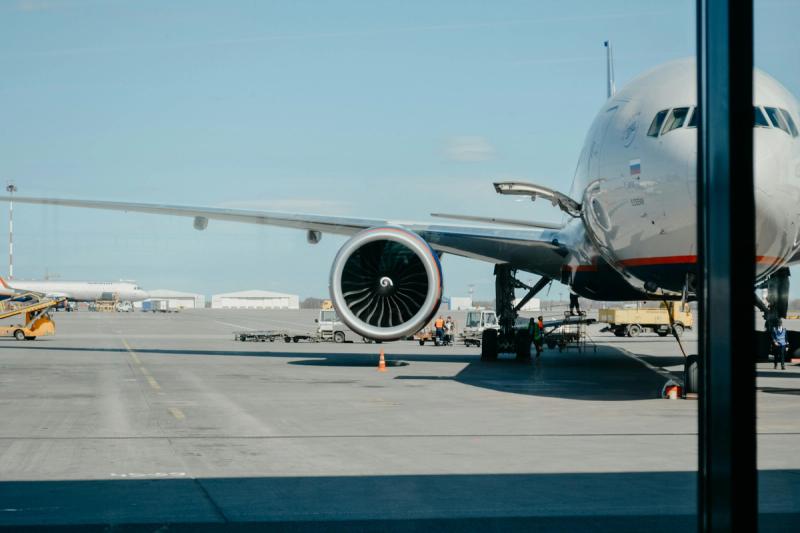
- Hydraulic clunks and dings: The heavy thuds you hear under the floor before landing are simply the landing gear locking into place. The chime sounds you hear in the cabin are usually just the crew communicating with each other about meal services or seatbelt signs.
3. Master Cognitive Behavioural Therapy (CBT) Techniques
Cognitive Behavioural Therapy focuses on changing the way you respond to fearful thoughts. You can practice several CBT-aligned exercises before and during your flight:
- Thought Challenging: Write down your specific fear (for example: "The turbulence means the plane is broken"). Next to it, write the objective, logical fact ("Turbulence is just bumpy air, and the plane is structurally completely safe"). Read the logical fact aloud whenever the anxious thought pops up.
- Box Breathing (4-4-4-4): When panic strikes, your nervous system triggers a surge of adrenaline. Counteract this by inhaling deeply through your nose for 4 seconds, holding for 4 seconds, exhaling slowly through your mouth for 4 seconds, and holding empty for 4 seconds. Repeat this for two minutes to physically signal to your brain that you are safe.
- The 5-4-3-2-1 Sensory Grounding Method: Look around the cabin and name 5 things you can see, 4 things you can physically touch (such as your seat cushion or water bottle), 3 things you can hear, 2 things you can smell, and 1 positive thing you can taste. This pulls your focus out of an anxious spiral and grounds you firmly in the present moment.
4. Prepare Your Travel Environment Before Departure
How you manage your time at the airport sets the tone for the flight itself. Taking control of your environment early reduces overall baseline stress:
- Avoid rush stress: Arrive at the airport with plenty of time to spare. Racing through security spikes your adrenaline before you even reach the gate. If you prefer a seamless, fully managed journey, explore the custom holiday planning options with Timms Travel bespoke packages to take the friction out of your trip.
- Watch the stimulants: Skip the pre-flight pint at the airport bar and go easy on caffeine. Both alcohol and coffee accelerate your heart rate and can amplify panic feelings once airborne. Drink plenty of water instead.
- Pack immersive distractions: Download engaging TV shows, audiobooks, or immersive podcasts beforehand. High-quality noise-cancelling headphones are worth their weight in gold for blocking out unfamiliar engine rumbles.
- Pick the right seat: When selecting your seat, opt for a spot directly over the wing. This is the aircraft's centre of gravity, meaning you will feel significantly less movement during turbulence than you would at the back.
5. Inform the Cabin Crew When You Board
Never feel embarrassed to let the cabin crew know you are a nervous flier when stepping onto the plane. British cabin crews are extensively trained in passenger safety and mental well-being:
- Mention your seat number as you board and politely let them know you feel anxious.
- They will often check in on you during the flight, explain any unexpected noises, or offer words of reassurance.
- Knowing that an expert on board is aware of how you feel can instantly lower your stress levels.
Overcoming a fear of flying is a gradual journey rather than an overnight shift. Be patient with yourself, celebrate every small step forward, and consider investing in an expert course like easyJet’s Fearless Fly to give you technical clarity and psychological tools.
Once you feel ready to take to the skies, the team at Timms Travel is here to help you plan your dream holiday, ensuring every detail from hotel bookings to airport transfers is taken care of. The sky does not have to be a place of fear; it can be the gateway to your next memorable adventure.