Whether you’re a frequent flyer booking a weekend getaway or a jet-setter embarking on a long-haul adventure, there’s a strong chance your journey will be powered by one of two aviation giants: Airbus or Boeing.
While most passengers focus on inflight meals or legroom, the duel between Europe’s Airbus and America’s Boeing shapes how, where, and how comfortably we travel. From design philosophy to the types of routes they dominate, here is everything you need to know about these legendary aircraft manufacturers.
The Design Philosophy: Automation vs Pilot Control
At the heart of the rivalry lies a fundamental difference in engineering philosophy:
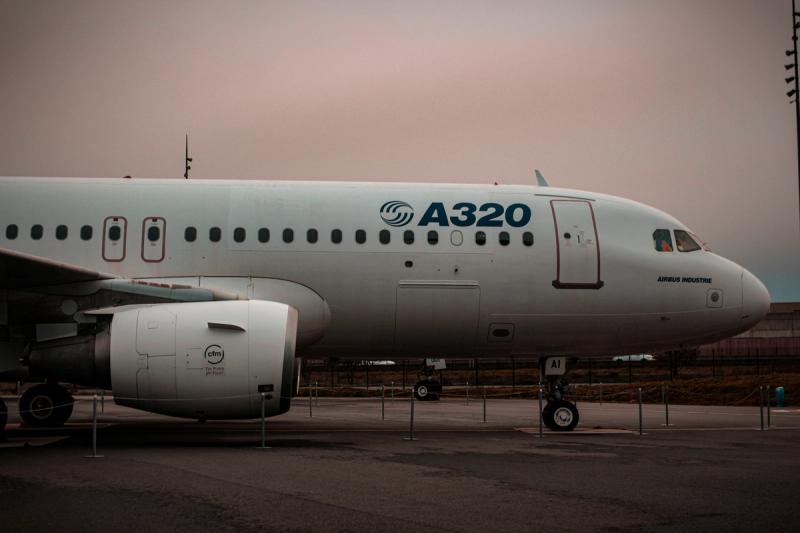
- Airbus (The Fly-By-Wire Pioneer): Airbus favours high-tech automation. The aircraft’s computer system interprets pilot input and translates it electronically, preventing the plane from making manoeuvres that exceed safe operational limits. Visually, Airbus cockpits swap the traditional control yoke for a modern, side-mounted joystick.
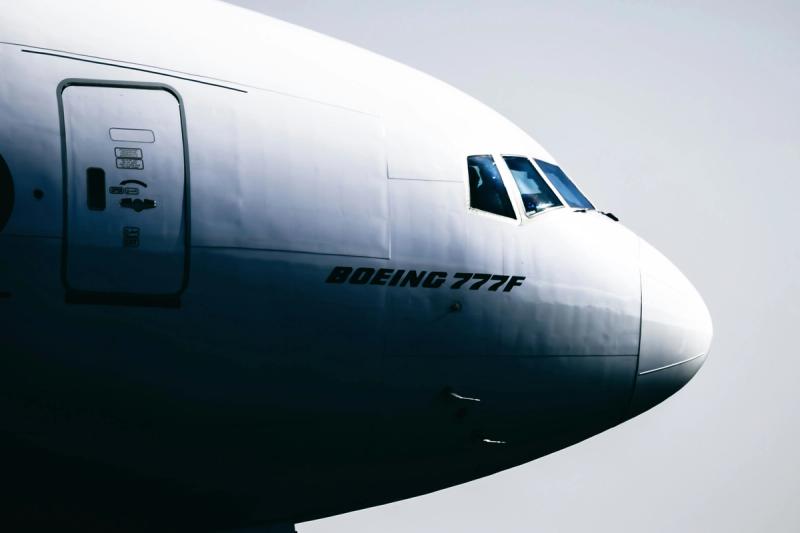
- Boeing (The Pilot’s Machine): Boeing leans towards giving the pilot ultimate manual authority. While packed with cutting-edge technology, Boeing aircraft still feature traditional control yokes directly in front of the pilot, reflecting a belief that the human in the cockpit should always have the final say.
Battle of the Route Models: Hub-and-Spoke vs Point-to-Point
The two manufacturers famously placed radically different bets on how global travel would evolve:
1. Short-Haul & Regional Routes (The Bread and Butter)
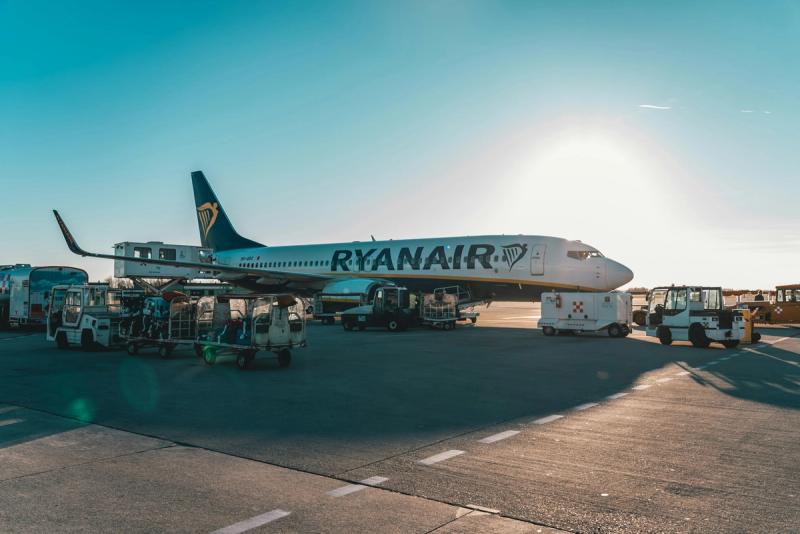
Both manufacturers build workhorses for popular, high-frequency short journeys, such as hopping across Europe or domestic connections.
- Airbus A320 Family: Exceptionally popular with European carriers. Loved for its slightly wider cabin, giving passengers a touch more shoulder room.
- Boeing 737 Family: The best-selling jet series in history, favored by low-cost and legacy carriers worldwide.
- Example Route: London Heathrow (LHR) to Amsterdam Schiphol (AMS).
2. Long-Haul Point-to-Point Routes (Direct Connections)
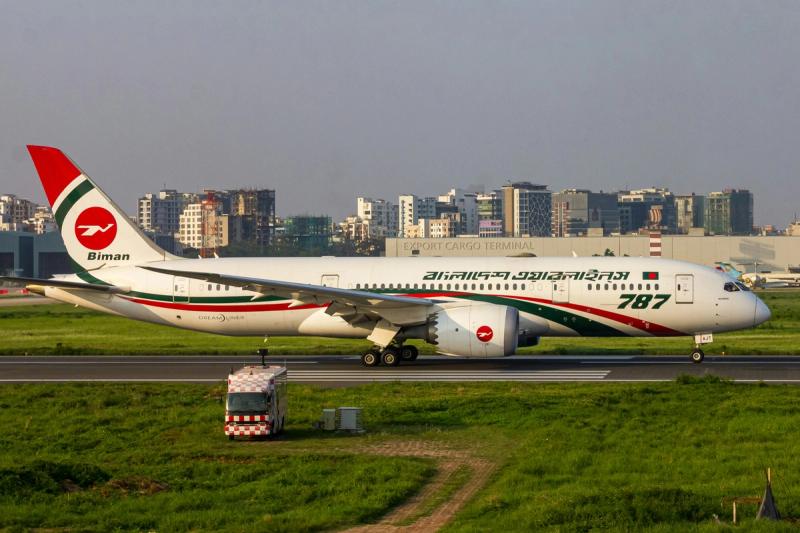
Boeing bet that passengers would prefer direct flights between secondary cities rather than changing planes at massive hubs. They created the fuel-efficient, composite-built Boeing 787 Dreamliner to unlock smaller, long-range markets. Airbus quickly responded with the sleek A350 and the long-range narrowbody A321XLR.
- Example Route: Edinburgh (EDI) to Boston (BOS) operated direct via a 787 or A321LR.
3. Mega-Hub to Mega-Hub Routes (Mass Volume)
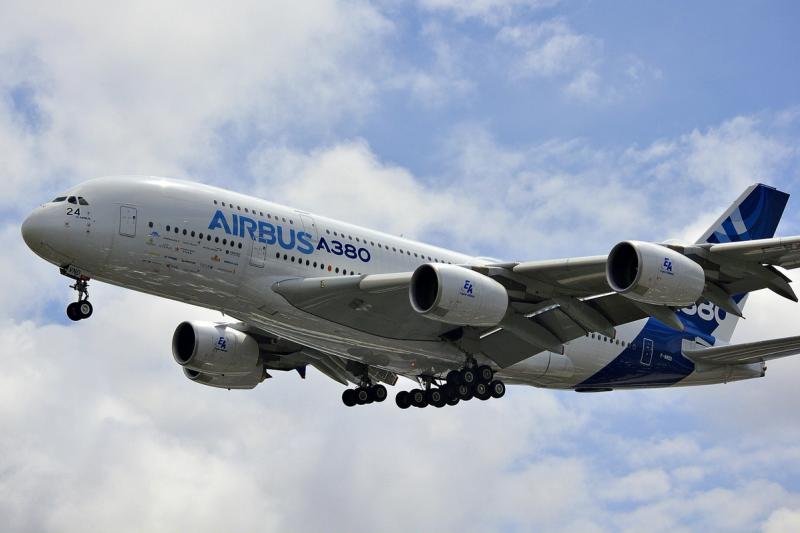
Airbus originally gambled on the "Hub-and-Spoke" model, predicting that main airports would become hopelessly congested. Their answer was the double-decker Airbus A380, a superjumbo designed to carry over 500 passengers at once between global megacities. While point-to-point travel won the market share battle, the A380 remains an iconic, ultra-quiet passenger favourite on trunk routes.
- Example Route: London Heathrow (LHR) to Dubai International (DXB).
Which Plane Wins for Passengers?
For most travellers, the flying experience comes down to how the airline configures the cabin, rather than who built the airframe. However, newer models from both brands, like the Boeing 787 and the Airbus A350, feature higher cabin pressure, better humidity, and larger windows, meaning you step off the flight feeling far less jet-lagged.
Ready to book your next trip? Whether you prefer the smooth glide of an Airbus or the proven history of a Boeing, you can compare itineraries, check flight schedules, and book your ideal holiday directly through Timms Travel today.