Overnight trains are returning to the European travel landscape in a serious way. After decades of decline, sleeper services are being revived, expanded, and modernised, driven by climate‑conscious travellers, competitive pricing, and a growing frustration with airport queues and short‑haul flights. What was once seen as an old‑fashioned mode of transport is now becoming one of the most efficient ways to cross borders.
The new generation of sleeper trains is cleaner, quieter, and more comfortable than their predecessors. Operators are investing in upgraded rolling stock, private cabins, and improved onboard facilities. Routes that disappeared years ago are being reinstated, and new cross‑continent links are emerging. For travellers planning multi‑city itineraries, these trains offer a practical way to cover long distances while saving on hotel nights.
Below are four standout sleeper routes that demonstrate how Europe’s overnight rail network is evolving.
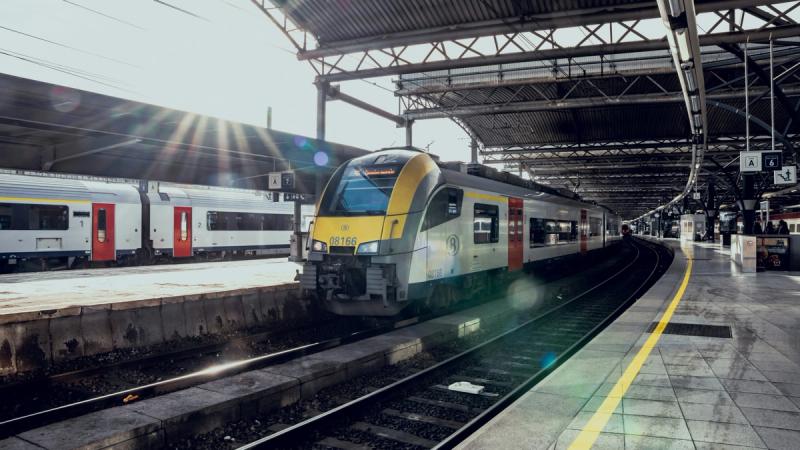
1. Brussels to Prague
Operator: European Sleeper
European Sleeper is one of the most ambitious new players in the rail market. Its Brussels to Prague service connects Belgium, the Netherlands, Germany, and the Czech Republic in a single overnight journey, creating a convenient corridor between Western and Central Europe.
The Route: Brussels – Amsterdam – Berlin – Dresden – Prague
Why Ride: The timetable aligns neatly with Eurostar arrivals from London, allowing UK travellers to reach Prague without flying. It is a straightforward, multi‑country link that removes the need for daytime transfers or long layovers.
The Experience: After departing Brussels in the evening, the train moves steadily through the Netherlands and northern Germany. By morning, passengers are travelling through the Saxon Switzerland region, known for its dramatic sandstone formations. Arrival in Prague is typically mid‑morning, giving travellers a full day ahead.
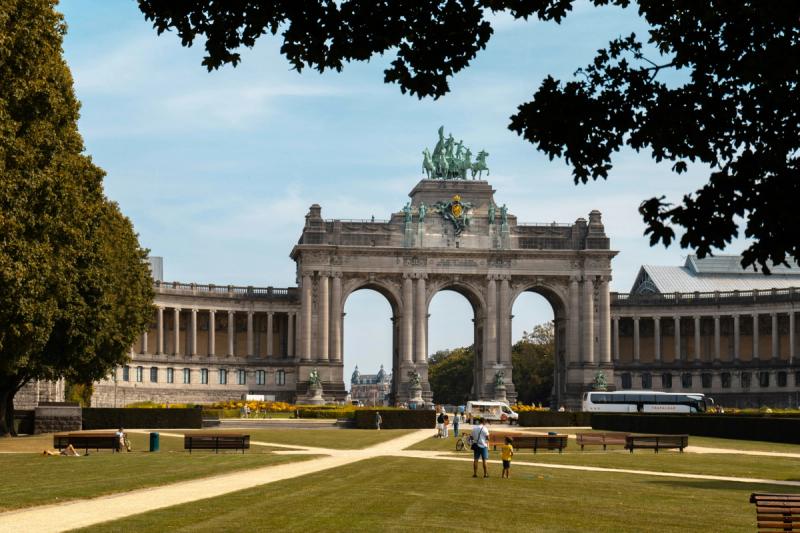
2. Paris to Berlin
Operator: European Sleeper
This overnight connection between Paris and Berlin is one of the most practical cross‑border routes currently available. It links two major capitals without requiring a full day of travel.
The Route: Paris Gare du Nord – Brussels – Hamburg – Berlin Hauptbahnhof
Why Ride: Travellers can leave Paris in the evening and arrive in Berlin early the next day, avoiding hotel costs and maximising time in both cities. The service operates three nights a week in each direction, offering flexibility for weekend breaks and longer itineraries.
The Experience: The train offers a mix of couchettes and private compartments. After passing through Belgium and northern Germany overnight, passengers reach Berlin in time for breakfast and can head straight into the city’s museums, markets, and neighbourhoods.

3. Vienna to Amsterdam
Operator: ÖBB Nightjet
Austria’s national rail operator, ÖBB, has become the leading force behind Europe’s sleeper train revival. Its Nightjet services are known for reliability, comfort, and continuous investment in new rolling stock.
The Route: Vienna Hauptbahnhof – Munich – The Rhine Valley – Amsterdam Centraal
Why Ride: ÖBB has introduced next‑generation Nightjet trains on key routes. These include compact mini‑cabins designed for solo travellers who want privacy at a lower cost, as well as modern en‑suite sleepers for those seeking more comfort.
The Experience: Departing Vienna in the evening, the train travels through Bavaria and the Rhine Valley overnight. By sunrise, passengers are approaching Amsterdam, often passing canals and suburban waterways before arriving at Centraal Station.

4. Sofia to Istanbul
Operator: Sofia–Istanbul Express
This route offers a very different type of overnight journey, linking the Balkans with Türkiye and providing a straightforward rail connection between Europe and Asia.
The Route: Sofia – Plovdiv – Kapikule (Border) – Halkalı / Istanbul
Why Ride: It is one of the most affordable sleeper routes in Europe and provides a culturally rich transition between regions. For travellers planning to explore both Bulgaria and Türkiye, it is a practical and cost‑effective option.
The Experience: A passport check takes place at the Bulgarian–Turkish border around midnight. After that, the train continues through the night until reaching the outskirts of Istanbul at sunrise. Travellers can reach central Istanbul quickly and begin their day along the Bosphorus.
Essential Tips for Booking Sleeper Trains
Book Early: Private cabins and new mini‑cabins often sell out well in advance, especially during summer and holiday periods.
Pack a Small Travel Kit: Earplugs, an eye mask, a power bank, and a refillable water bottle help make the journey more comfortable.
Understand Rail Pass Rules: Eurail and Interrail passes cover the travel itself, but sleeper berths require an additional reservation fee. Prices vary depending on the route and cabin type.